






Getting the most out of your contracts

How relationship management can help you get the most out of your contracts
Just like oil helps you get the best out of your engine, relationship management can help you get the best out of your suppliers. Organisations across the private and public sectors in Australia are pulling all available levers to obtain the highest performance from their supply base. Our latest research report, Geared to High Performance, reveals that more than 70% of organisations deploy operational contract management, vendor management and strategic partner management to improve supply chain performance.
This is in stark contrast to those 30% of organisations who do not manage their contracts or do so for less than 10% of their contracts. Managing suppliers successfully is quite similar to the successful management of employees: the more (effort) you put in, the higher the return. Sitting tight and hoping for the best does not work. In the end, we are often buying professional services that are heavily dependent on the motivation of the supplier’s staff working together with our staff as one team. No wonder that leadership techniques work best: those clients who inspire, motivate, challenge and develop their suppliers achieve best performance.
Three layers to managing a successful client/supplier relationship
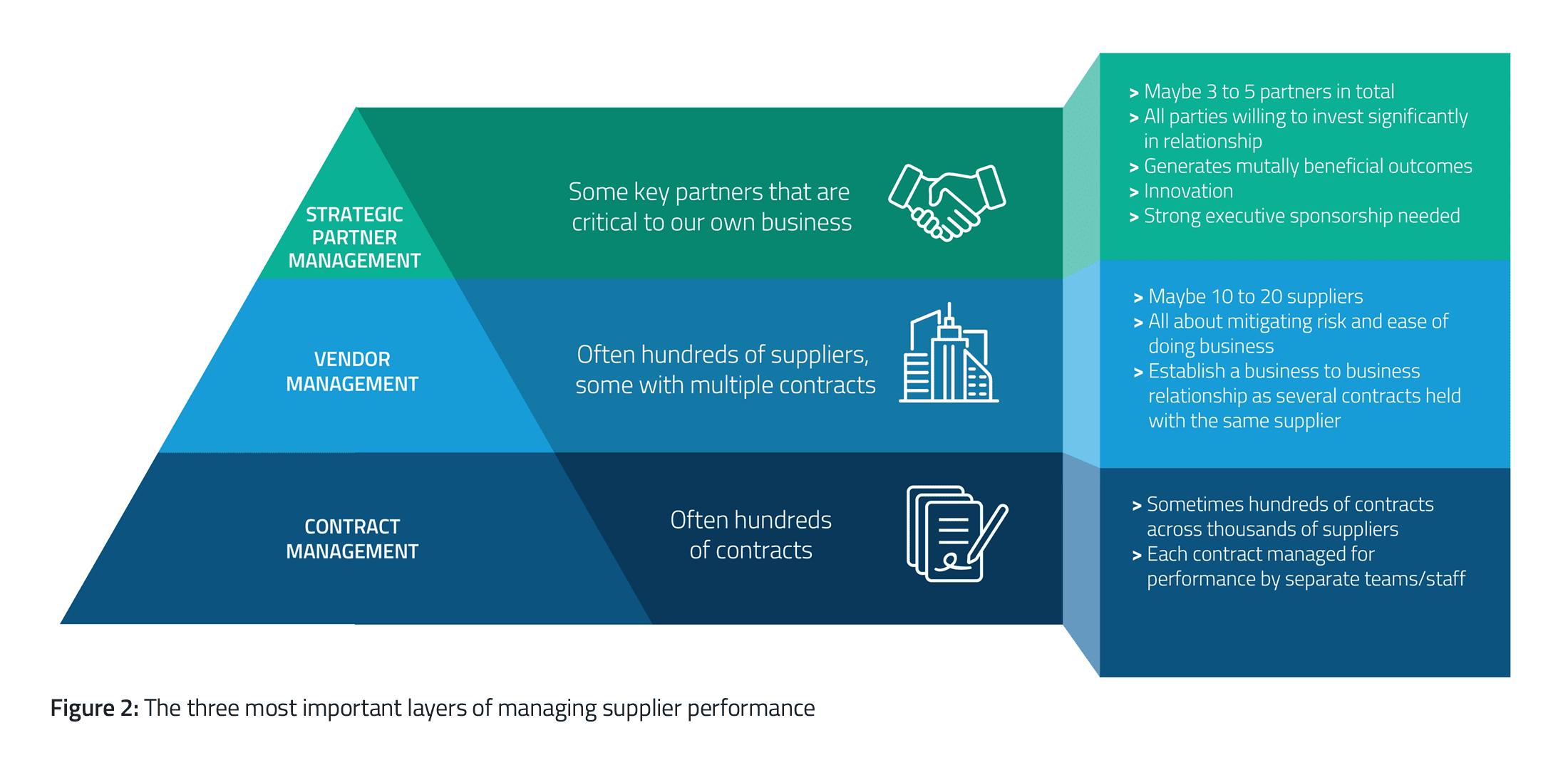
At the operational level (refer Figure 2), there is Contract Management. This should be a proactive effort to get the most out of a specific contract for a specific service. It often includes contract administration and operational management activities, but ultimately the goal of contract management is to achieve best performance from the individual contract.
Above that is Vendor Management (refer Figure 2), which describes the effort to manage the business to business relationship, often with a vendor who has more than one contract with the client organisation. It is all about finding out how to improve processes, mitigation risks and overall being as easy to deal with each other as possible.
Strategic Partner Management (refer Figure 2) best operates at the executive level and with a small group of key suppliers. There is a large overlap in the strategic objectives of both organisations and thus a huge opportunity for joint growth and innovation.
We have summarised in Figure 3 below how we define each of these layers and also how often we saw our research participants use these tools at their disposal to achieve best supplier performance.
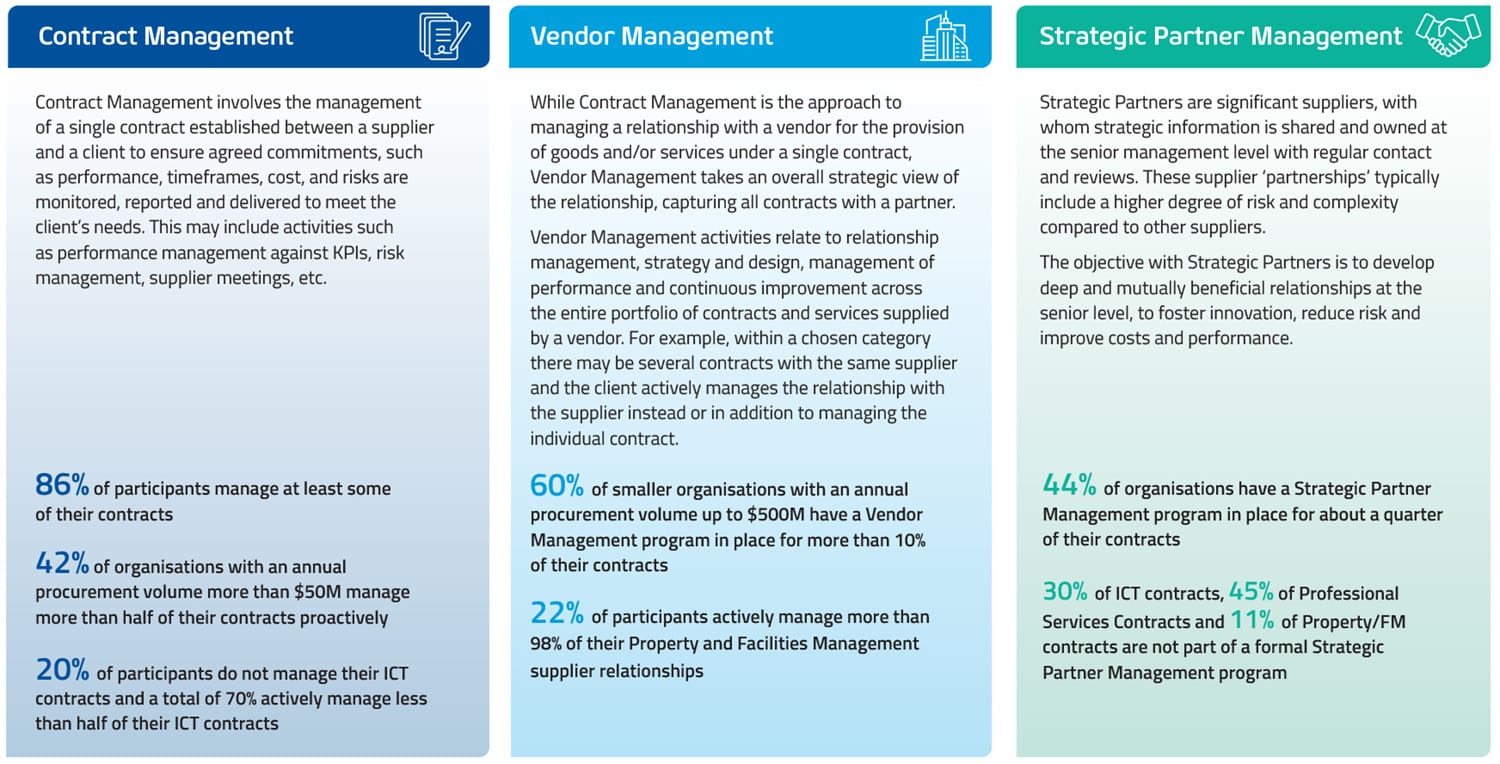
Figure 3: Three layers for achieving high supplier performance
Do you get the most out of your contracts? Don’t know? Contact Stefan Gassner who would be happy to chat with you about your contracts.
 We are all about sharing our expertise to help you and your organisation be the best it can be.